
The School of Spiritual Science & Anthroposophy
What is Anthroposophy?
What does it mean to be human? What can we truly know? What is my task in the world?
These are some of the questions that may lead a person to Anthroposophy, a path of knowledge established by Rudolf Steiner (1861–1925) at the beginning of the 20th century, increasingly recognized for its contributions to fields like art, education, farming, and medicine. Waldorf education, biodynamic farming, and Anthroposophic medicine all grew out of it, along with institutions like Triodos Bank, Weleda, the Camphill Movement, and The Christian Community.
Anthroposophy emerges on a meditative path that reveals spiritual dimensions of the human being and the world. Engaging earnestly in this path strengthens our capacity to act ethically, in line with both ourselves and the needs of the world.
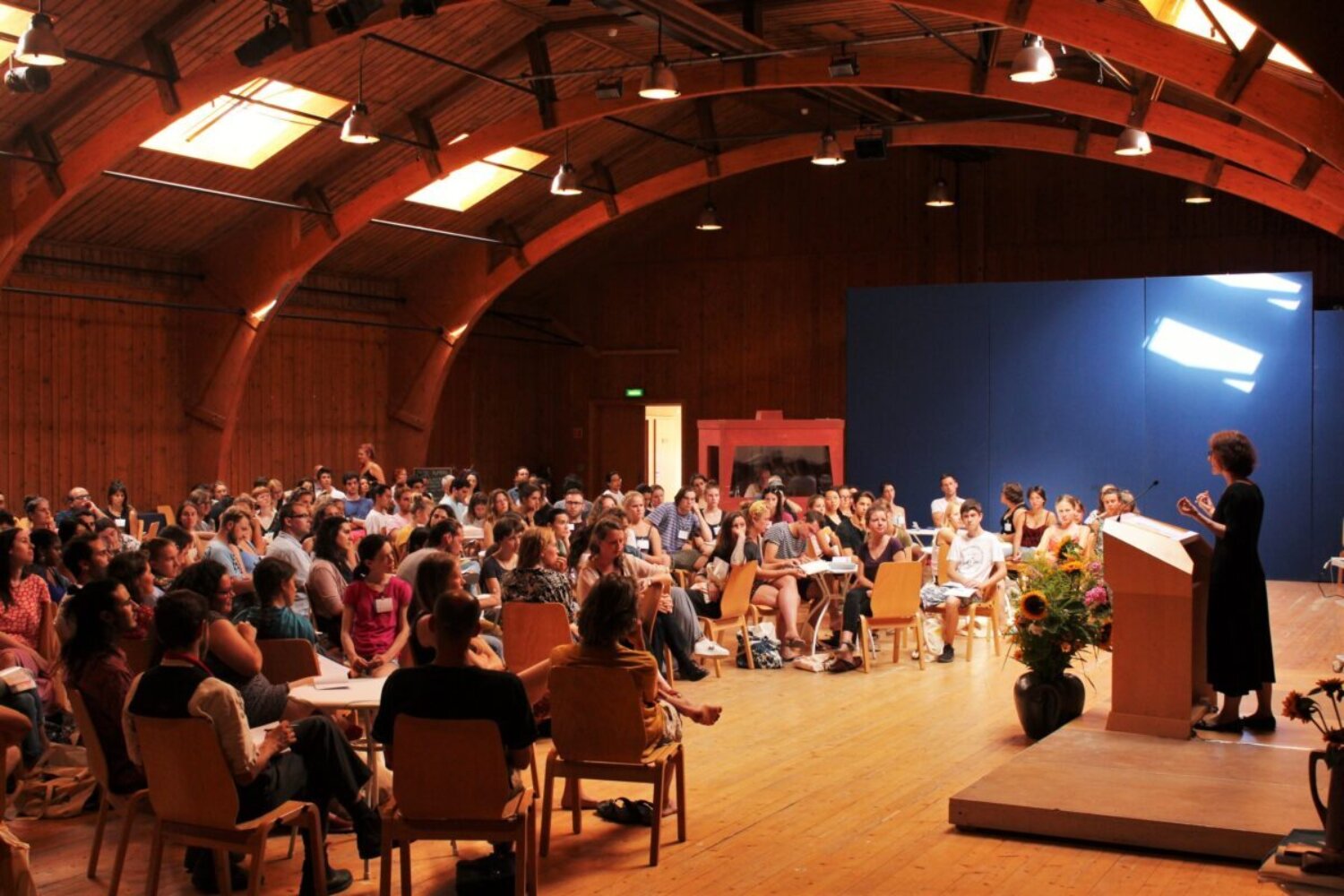
Steiner wrote many books, gave lectures around the world, and founded the School of Spiritual Science at the Goetheanum in December 1923: an independent school with specialized departments (Sections) supported today by more than 40,000 members of the General Anthroposophical Society worldwide.
In 1924, he founded theYouth Section, so that young people could take up, as their own discipline, the question of what it means to be young in the present time, which is why he called it "the Section for the Spiritual Striving of Youth."
Where to start reading
If you're new to Anthroposophy and would like to discover more you may appreciated these works by Rudolf Steiner and others:
The School of Spiritual Science
The School of Spiritual Science is home at the Goetheanum in Dornach, Switzerland. It's made up of 12 Sections, each concerned a specialized field of practice. The Sections carry out research in their own disciplines, offer learning opportunities for professionals in their fields, and organise events and conferences that bring people together, foster collaboration, and share what they find. Together, they're active across the natural and social sciences, the humanities, the arts, and education; all working, at heart, toward a knowledge of spiritual dimensions of the human being and the world, and how this knowledge can shape ethical change in the world. The Youth Section is one of them.
The First Class
The First Class consists in a foundational meditative path significant for all the Sections. It is fostered by a committed group of individuals around the world. Membership in the First Class involves an application process.
To find out more about the First Class, how to become a member we recommend that you visit the General Anthroposophical Section's website.
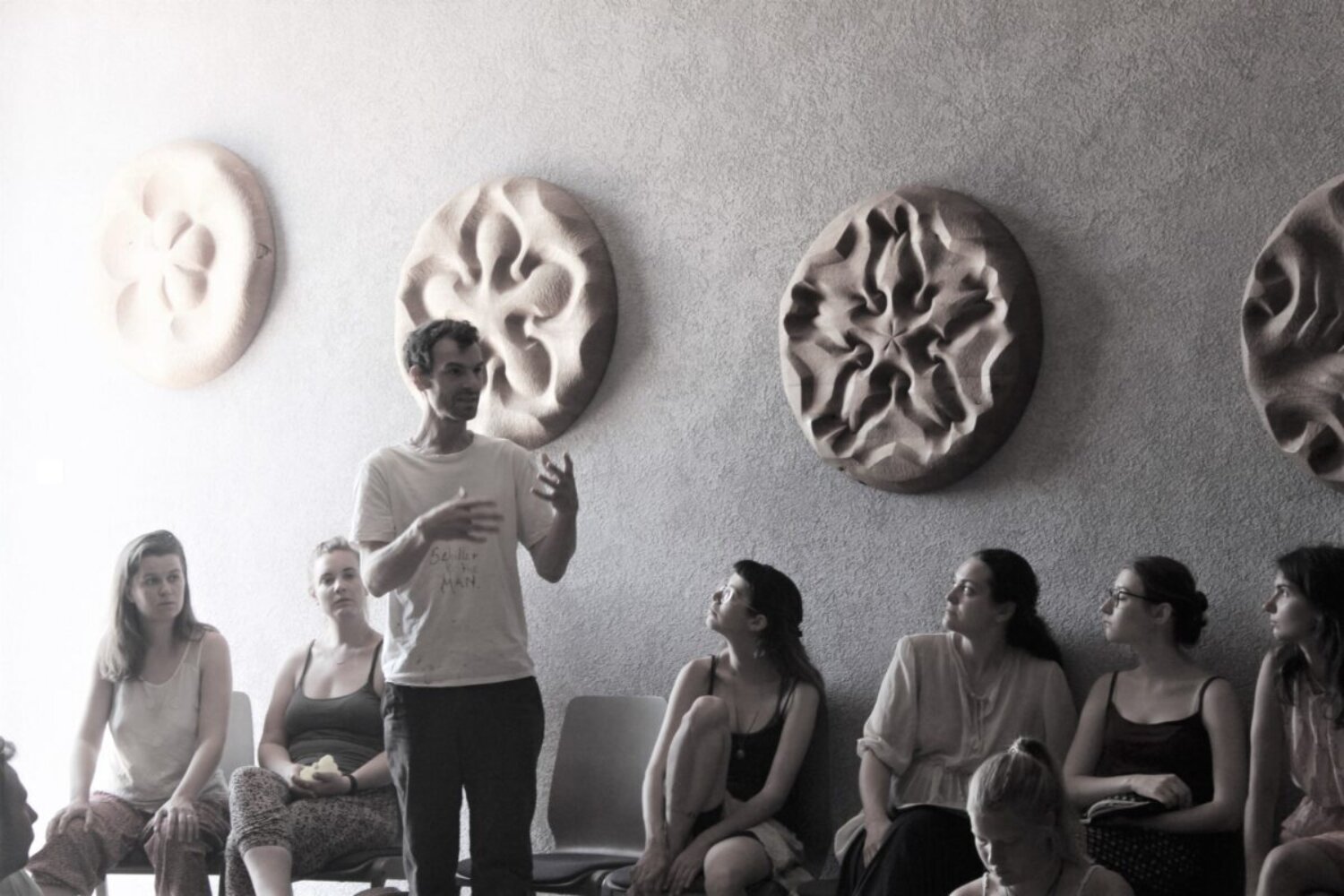
The Anthroposophical Society
The Anthroposophical Society, which has over 40,000 members worldwide, exists to foster culture and the inner life through meaningful encounters and exchange. The School of Spiritual Science is supported by the annual dues, gifts and pledges of the members of the Anthroposophical Society, as well as income from foundations and programs.
To learn more about becoming a member, please visit this page.